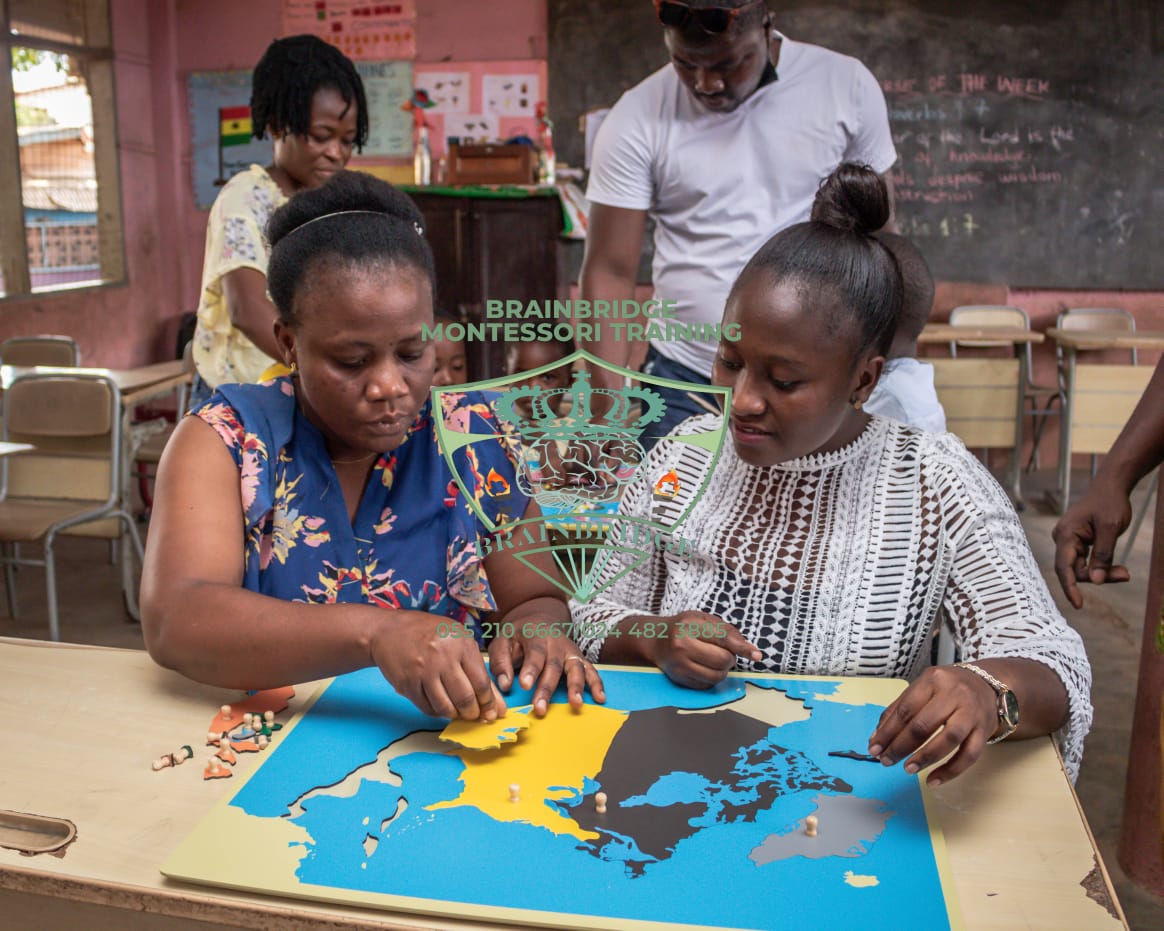
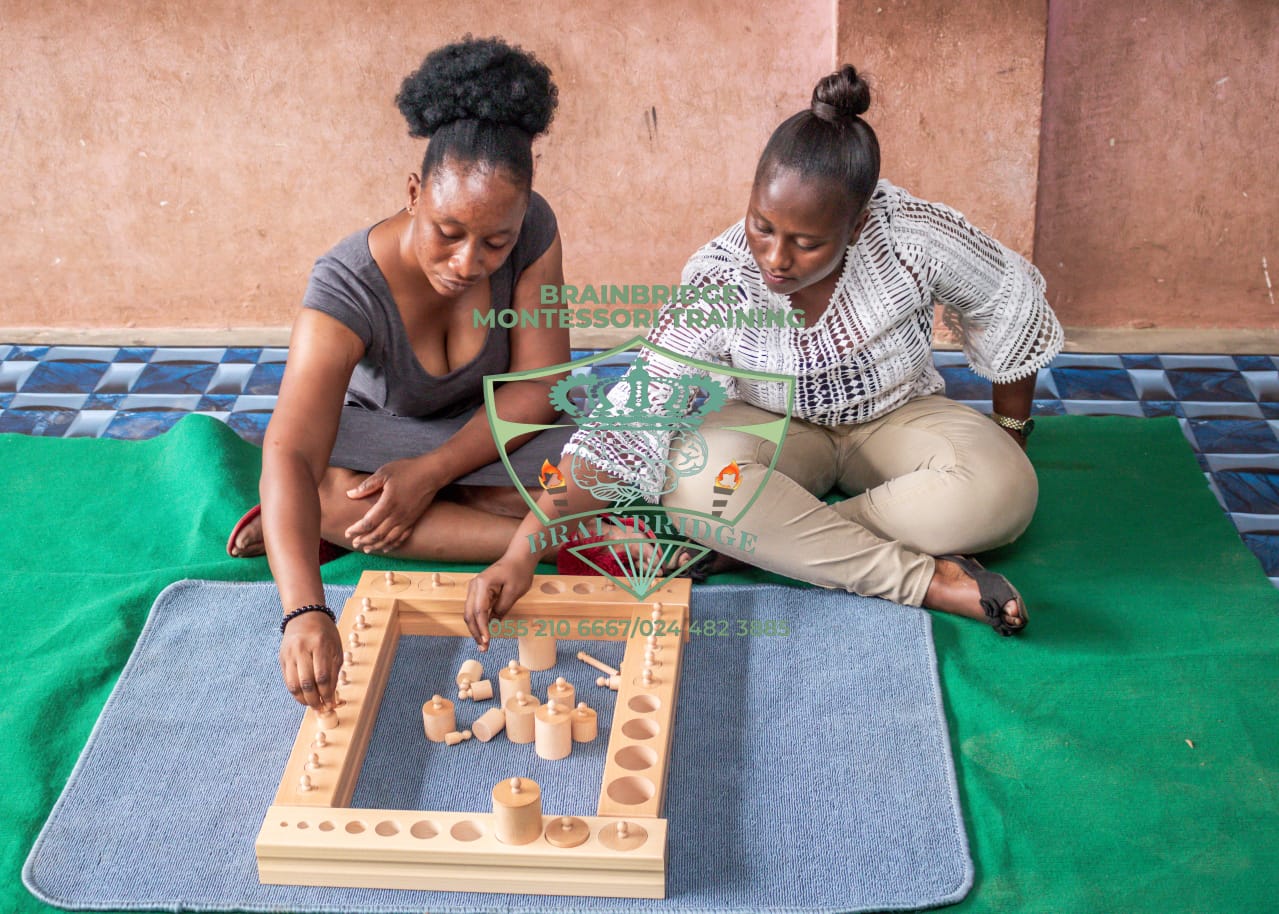
Montessori is a method of education that is personalised to each child’s learning style, stage of development, and interests. Children develop complete academic and wellbeing foundations through hands-on experience, real-world application, and problem-solving using the Montessori Method of education.
Montessori is a method of education that was developed by Doctor Maria Montessori. It’s
worldwide and has proven successful for more than 100 years. It offers a broad view of
education as an aid and a preparation for life.
Maria Montessori started her career as a Doctor; however, through her work with
underprivileged children, she moved from medicine to education. She used her training as
a scientist to observe how children learn and applied this to develop a better way to
educate children with astounding results.
In 1907, Doctor Maria Montessori opened her first Casa Dei Bambini’ or ‘Children’s
House’ for young children who weren’t old enough to attend school. Within one year of
applying her new method of education, many of her students were able to read, write, and
do basic mathematics. News of her success spread across Europe, and the Montessori
Method, as it came to be known, took off world-wide.
What’s most unique about Montessori is the prepared environment, which is also known as
the Montessori classroom. It’s unlike anything you would see in a standard childcare
centre because it’s filled with educational materials that link learning outcomes to
children’s needs and interests at specific stages of their development.
Each material teaches a specific learning outcome that progressively builds children’s
knowledge and skills. Through repetition and practice, children master the five areas of
the Montessori Curriculum, which includes: Practical Life, Sensorial, Mathematics,
Language, and Culture.
The role of the Montessori educator within this space is to observe what children are
drawn to, and introduce them to the materials that link to those interests, so learning
is always purposeful and engaging.
This is why Montessori works. It recognises that children learn in different ways, and
at different paces, and Montessori meets them where they’re at. It provides children
with a learning environment where they have respect, independence, and the freedom to
direct their own learning experience. This results in high levels of motivation to
learn, and children who love learning, naturally apply themselves and do well.
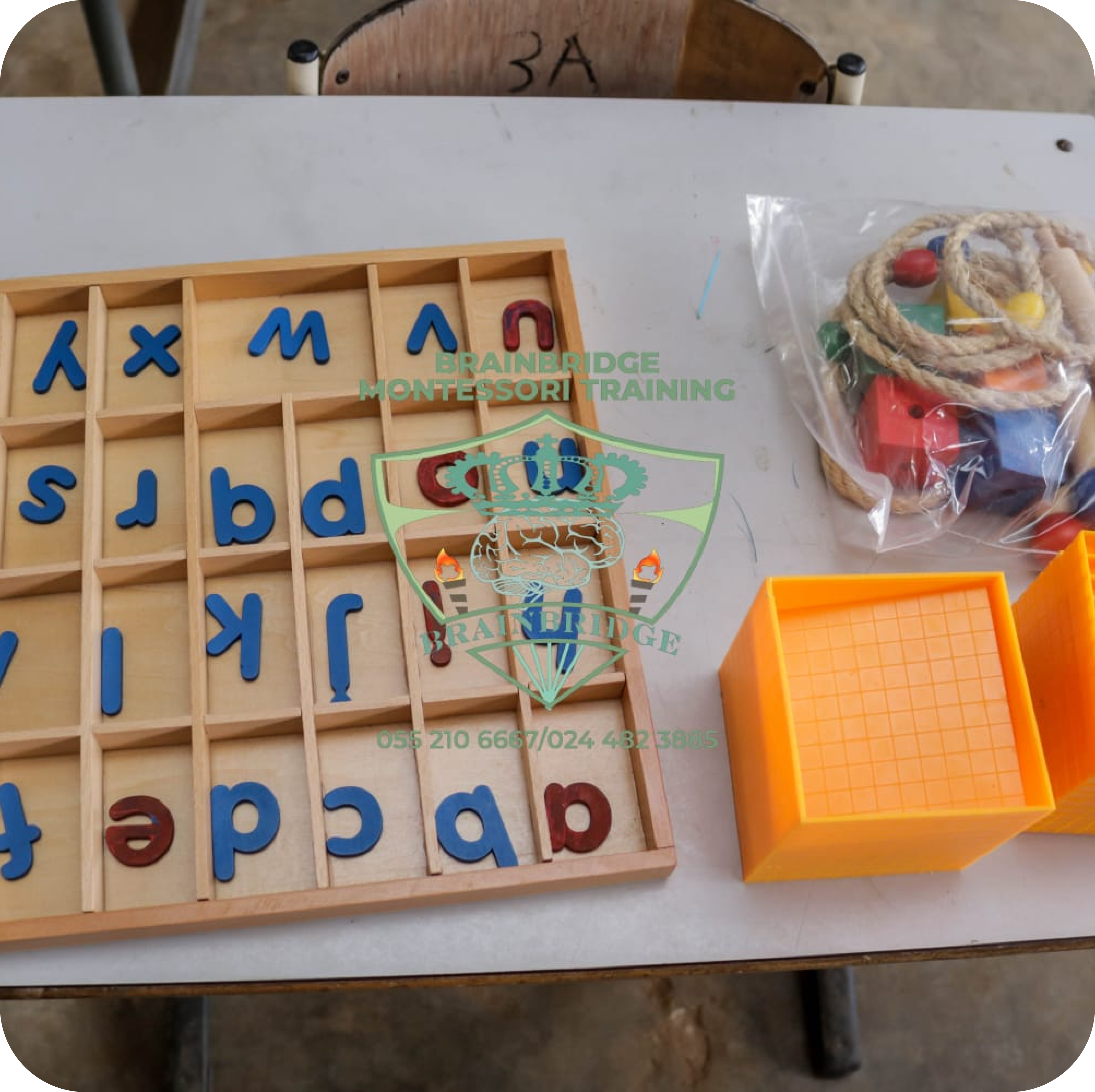
An Italian physician in the early 1900's, discovered the remarkable and effortless ability of children to absorb knowledge from their surroundings. Inspired by this simple and profound truth, she developed educational materials, curricula, methodology, and teacher training techniques to further the children's self-creating processes. The Brainbridge Montessori Training Center teaches the essence of Dr. Montessori's principles, and unique and inspiring techniques, while preparing its adult learners for the challenges of today's children and families.
The Montessori classroom is a carefully prepared learning space where everything has a purpose and a place. It is characterised by beauty, order and accessibility. Classrooms tables, chairs, learning materials and sinks are child-sized. Shelves are open and accessible to invite interest and exploration. Everything is thoughtfully designed to support children’s independence. In the prepared environment, the Montessori materials are grouped by their curriculum area, and displayed from left to right in progression order from easiest to hardest. This logical structure provides a clear pathway for learning.
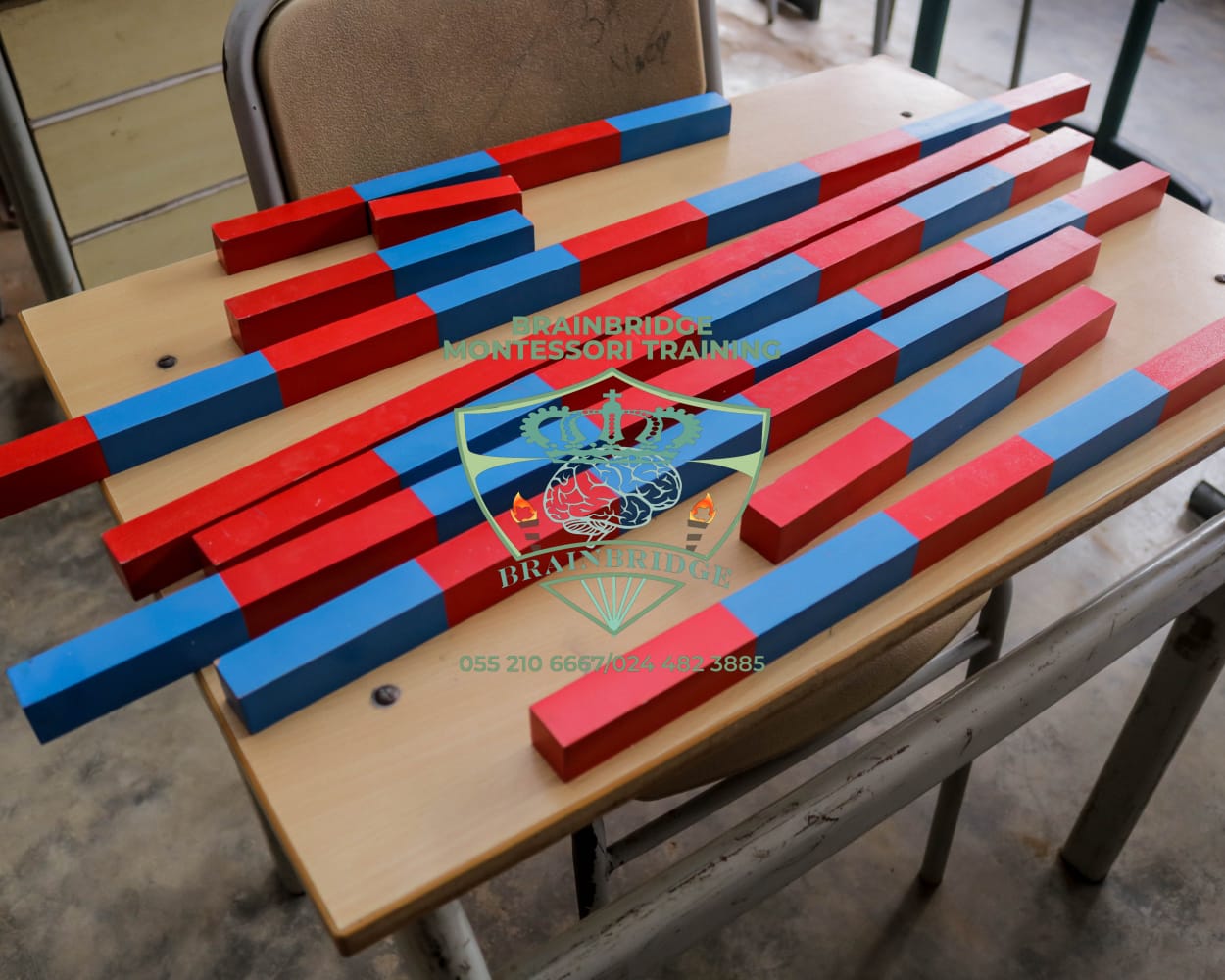
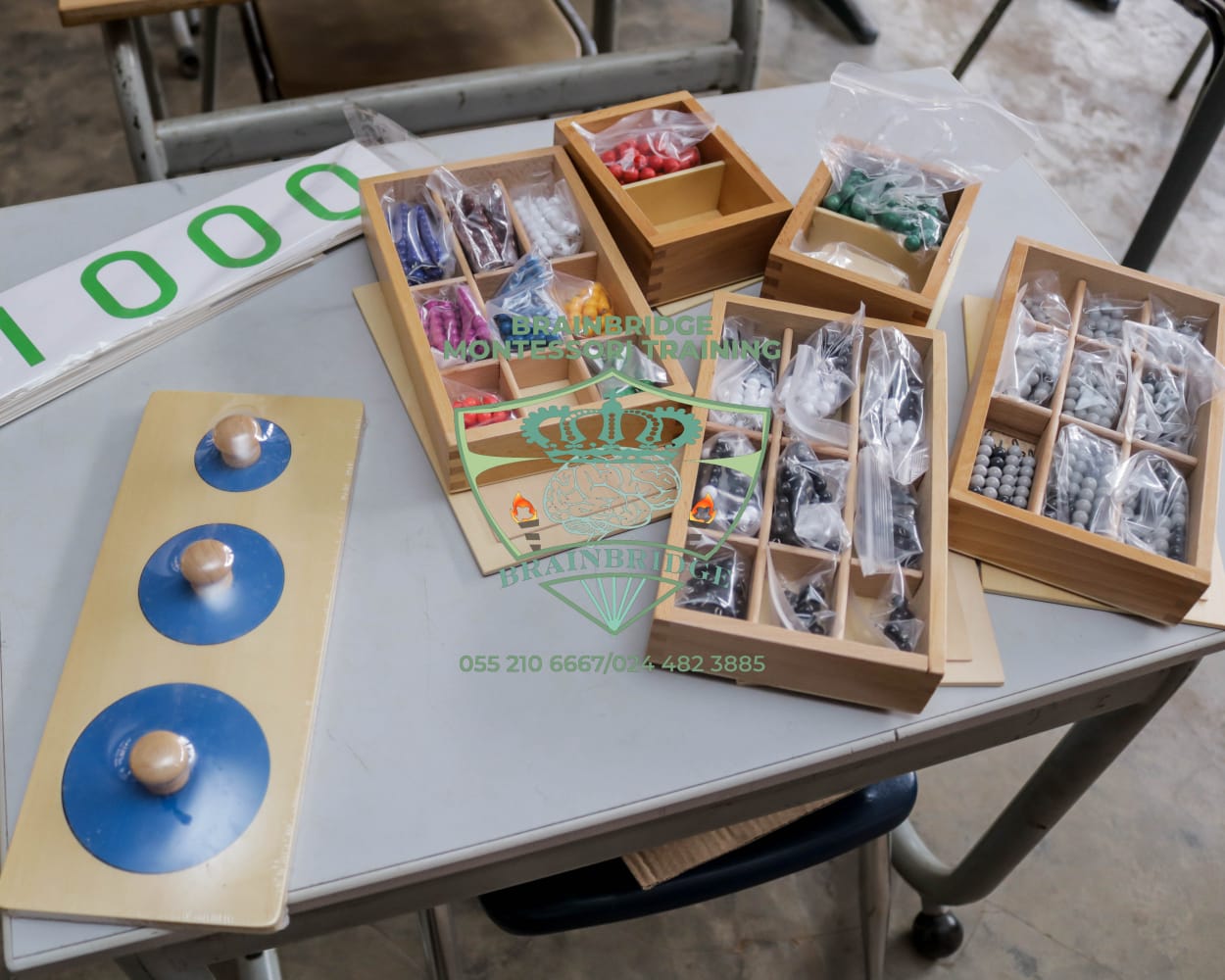
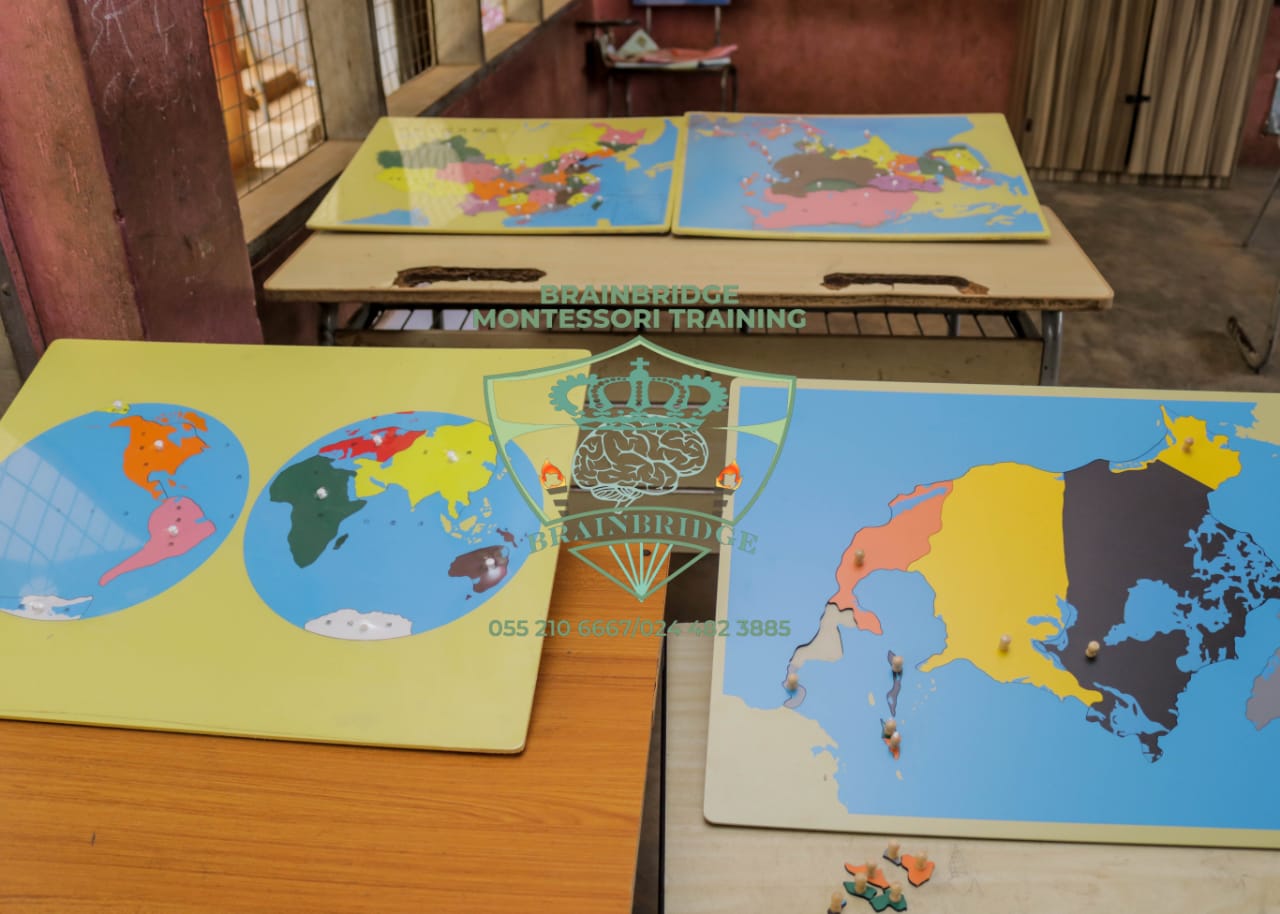
Montessori materials are hands-on learning tools that guide children to discover key learning outcomes through repetition and practice. They isolate one concept or skill and are designed with an in-built control of error. This allows children to identify and correct their own mistakes. As children progress through the curriculum, the Montessori materials increase in complexity, providing opportunities to extend on learning. Children master learning outcomes through repetition and practice.
The Montessori Curriculum is a child-centred learning framework that incorporates the cognitive, physical, social and emotional aspects of child development. There are five key areas: Practical Life, Sensorial, Language, Mathematics and Cultural Studies. Each curriculum area includes a sequence of Montessori materials that isolate one learning outcome or skill. As children progress through the curriculum, they develop a complete understanding of each subject area.
The guiding principles of Montessori education were developed by Doctor Maria Montessori to provide a framework for how to best support children in their learning process. These principles are based on the belief that children are naturally intelligent, that they want to learn, and that they have immense potential.
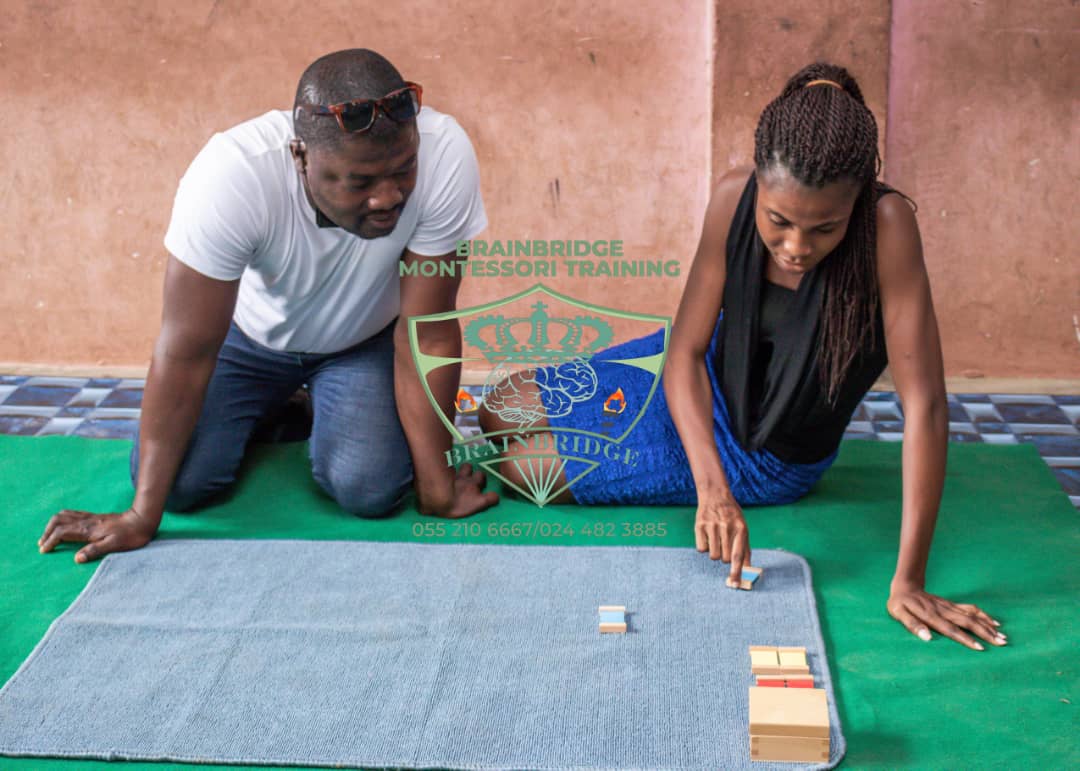
The role of the Montessori educator is to observe, track, and guide each child’s learning progress. They observe children’s interests, direct them towards activities suited to their stage of development, and create a positive atmosphere for learning. They present individual lessons that are brief and precise, and allow children to discover learning outcomes on their own, and in their own time.
Children participate in an extended period of “free choice” which enables them to choose their work and progress at their own pace without interruption. The Montessori work cycle encourages students to deeply engage with their activities, follow their interests, and satisfy their need for repetition and practice in order to master key learning outcomes and skills.